Cystic Acne and Spot Treatments
Acne, dark spots, or oily skin can make even the best makeup routine feel like a challenge. And let’s be honest—finding a product that keeps your look flawless without breaking the bank? That’s the real struggle. Over the years, I’ve tested countless products, but one game-changer for me has been discovering the best drugstore setting powder.This little miracle worker doesn’t just lock in your makeup; it smooths out texture, tames shine, and helps your foundation last all day—even on those long, hectic workdays. I’ve tried high-end powders Cystic Acne and Spot Treatments that cost a fortune, but honestly, some of the affordable options I found from drugstores performed just as well, if not better.
Here’s what I’ll cover in this guide:
What You’ll Learn:
- Understanding cystic acne and why it’s tricky to manage.
- How spot treatments work and why they help.
- Types of treatments suitable for deep blemishes.
- Step-by-step usage guidance based on my experience.
- Tips for combining these treatments with other skincare routines.
- Lifestyle adjustments that can support healing.
- My personal takeaways and lessons learned.
Understanding Cystic Acne and Spot Treatments
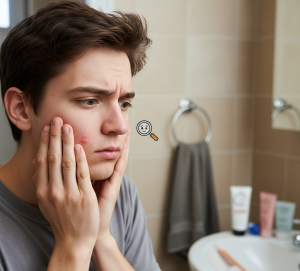
Unlike regular blemishes, cystic acne forms deep beneath the skin. They can be painful, red, and swollen, often leaving scars if left untreated.
- Symptoms I’ve faced: Tender, inflamed lumps that sometimes cluster in one area. They’re unpredictable and stubborn.
- Common triggers: Hormonal fluctuations, stress, late nights, and, in my case, skipping skincare routines on busy days.
Surface treatments often fail to reach the root of the problem. That’s why targeted solutions can be particularly useful. They help calm inflammation and protect the area while your skin does its natural healing.
How Targeted Spot Treatments Work
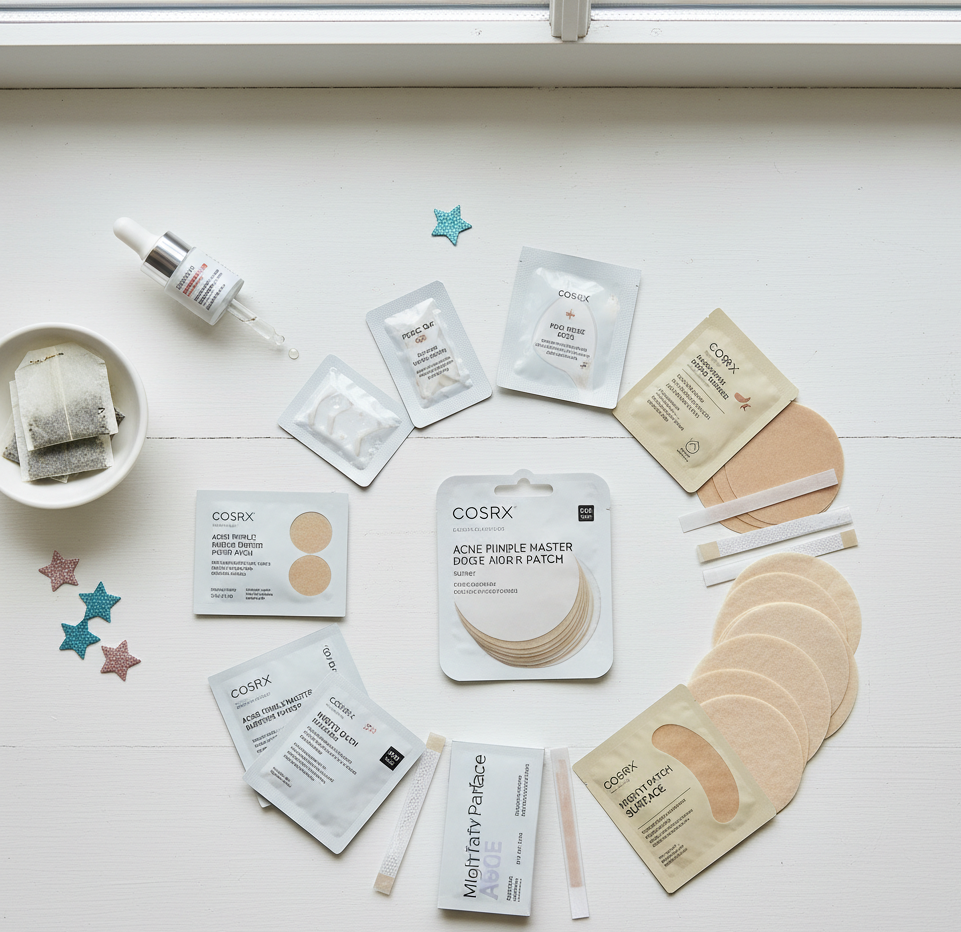
These treatments act as mini shields for the skin. By covering inflamed areas, they create a protective barrier that prevents picking, keeps dirt and bacteria away, and can even help absorb fluids.
Here’s what I’ve learned about the main options:
- Absorbent pads: These are generally non-medicated and work by soaking up excess fluid, reducing swelling, and flattening the spot. Great for blemishes that are already forming a head.
- Medicated applications: Some contain salicylic acid or natural oils like tea tree, which target bacteria and unclog pores. I’ve found that sensitive skin can react if left on too long.
- Advanced delivery systems: Tiny microneedles or similar technology deliver active ingredients like hyaluronic acid directly into the deeper layers. Perfect for persistent cysts, though they can sting a bit at first.
From my perspective, using these is like putting a small force field on your skin. Nerdy? Yes. Effective? Definitely.
Choosing the Right Option for Cystic Acne
Not all treatments are created equal. After experimenting, I learned to pick what matches the type of blemish I’m dealing with:
- Absorbent pads: Best for surface-level spots that are already visible. They flatten and protect without irritation.
- Active ingredient options: Salicylic acid or natural antibacterial agents can help with inflamed blemishes, but watch out for dryness.
- Microneedle-based applications: My go-to for deep cysts. They reach beneath the surface and deliver ingredients right where they’re needed.
A combination often works best: use an absorbent pad for surface fluid and an advanced delivery tool for deeper spots.
Step-by-Step: Cystic Acne and Spot Treatments
Here’s how I make the most of these treatments:
- Cleanse thoroughly: Dirt under the treatment will slow healing. I always use a gentle cleanser.
- Pick the right size: Make sure it fully covers the affected area.
- Apply gently: Avoid air bubbles to ensure full contact with the skin.
- Leave in place: Overnight is ideal. Some indicators like a color change show when the treatment has absorbed fluids.
- Remove carefully: Peel from the edges to prevent irritation.
- Cleanse lightly afterward: Follow with a gentle moisturizer.
Pro tip: Avoid applying on freshly popped spots—it traps bacteria and can worsen the inflammation.
Timing and Frequency: How I Make These Treatments Work Best
Timing has made a noticeable difference in how effective these treatments are for me. I’ve learned that applying a treatment as soon as I feel a bump forming is essential. Waiting too long often means the inflammation worsens, the spot becomes more painful, and the treatment isn’t as effective. Trust me, there’s nothing worse than discovering overnight that a small bump has escalated into a full-blown cystic nightmare because I hesitated.
I usually rotate different types of treatments depending on the time of day and the depth of the blemish:
- Morning: I prefer microneedle applications for deeper cysts. These tiny tools deliver active ingredients directly into the skin while I go about my day. Applying them in the morning helps reduce swelling and keeps the bump from becoming too obvious by midday. It also gives me peace of mind, knowing the spot is actively being treated even during meetings or work calls.
- Evening: Before bed, I switch to absorbent pads for surface-level fluid and inflammation. Overnight, my skin has several uninterrupted hours to recover. I often wake up to a calmer, less red bump, which feels like a small but satisfying victory.
One small but crucial habit I’ve developed is keeping a stash of treatments in strategic places: my nightstand, office drawer, and travel bag. This simple practice has saved me from panic when a new bump appears unexpectedly. There’s a certain confidence in knowing that, no matter where I am, I have a ready-made solution at my fingertips.
Another lesson I’ve learned is that consistency beats overuse. It’s tempting to apply multiple treatments at once or overdo it, but skin can only absorb so much. Overloading the area can irritate it, slow healing, and sometimes make redness worse. I stick to applying a treatment once or twice a day, following the type and timing that works best for each bump.
Finally, tracking my breakouts has been a game-changer. I’ve noticed that cystic spots often appear in cycles related to stress, sleep, or diet. Recognizing these patterns allows me to start treatment early, reducing severity and recovery time.Cystic Acne and Spot Treatments.
Other Skincare Tips That Help
Even the best tools need support from a solid routine:
- Gentle cleansing: Over-washing irritates skin. I stick to mild cleansers.
- Moisturization: Surprisingly, keeping the skin hydrated speeds recovery.
- Healthy habits: Adequate sleep, stress management, and a balanced diet help more than I expected.
- Hands-off rule: Treatments make it easier to resist touching, which prevents scarring.
If your breakouts are persistent, visiting a dermatologist is worth it. Professional guidance ensures you’re not just masking the problem but addressing its root causes.
Combining Treatments With Other Skincare
I don’t rely solely on these applications. Here’s how I integrate them:
- Spot treatments: Small amounts of salicylic acid or benzoyl peroxide complement the patches.
- Serums: I use niacinamide serums to reduce redness and improve texture. Read more about my serum routine here.
- Professional solutions: My dermatologist sometimes prescribes topical creams for severe flare-ups.
The trick is letting the targeted treatments handle the immediate inflammation while other skincare products address long-term skin health.
Common Mistakes and Lessons Learned
Everyone makes mistakes when starting out. I certainly did:
- Using too many at once: Skin can only absorb so much. Pick your battles.
- Skipping cleansing first: Dirt under the application slowed results.
- Peeling too early: Patience is key—the fluid needs time to absorb.
- Ignoring sensitivity: Always patch-test if you’re using medicated tools.
Each error taught me something, and now my routine feels nearly effortless.
FAQs About Cystic Acne and Spot Treatments
Q: Can they treat all cystic blemishes?
A: Not always. Surface-level spots respond best. For deep cysts, microneedle or advanced delivery options work better.
Q: How long should I keep them on?
A: Overnight or until absorption indicators show they’ve worked.
Q: Can they be combined with other skincare products?
A: Yes. Just avoid applying harsh chemicals underneath.
Q: Will they prevent future breakouts?
A: No, they treat current spots but don’t stop new ones from forming.
Lifestyle Adjustments That Help
While targeted treatments calm existing blemishes, lifestyle plays a role too:
- Sleep: I’ve noticed flare-ups when I skimp on rest.
- Stress management: Deep breathing, short walks, or meditation help prevent hormonal spikes that trigger breakouts.
- Diet: Less processed sugar and more water make a small but noticeable difference.
- Avoid touching your face: The easiest advice, yet the hardest to follow. Treatments help enforce this rule.
My Takeaways and Final Thoughts
After years of trial and error, these spot treatments remain a staple in my toolkit. They’re small, discreet, and surprisingly effective for calming inflammation and protecting the skin.
They’re not magic, and they won’t prevent all future breakouts. But if you combine them with a consistent skincare routine, healthy habits, and professional guidance when necessary, they can make a noticeable difference.
And let’s be honest—wearing tiny dots on your face at work or during Zoom calls without anyone noticing is a small but satisfying victory.