How to Choose the Right Facial Cleanser for Your Skin
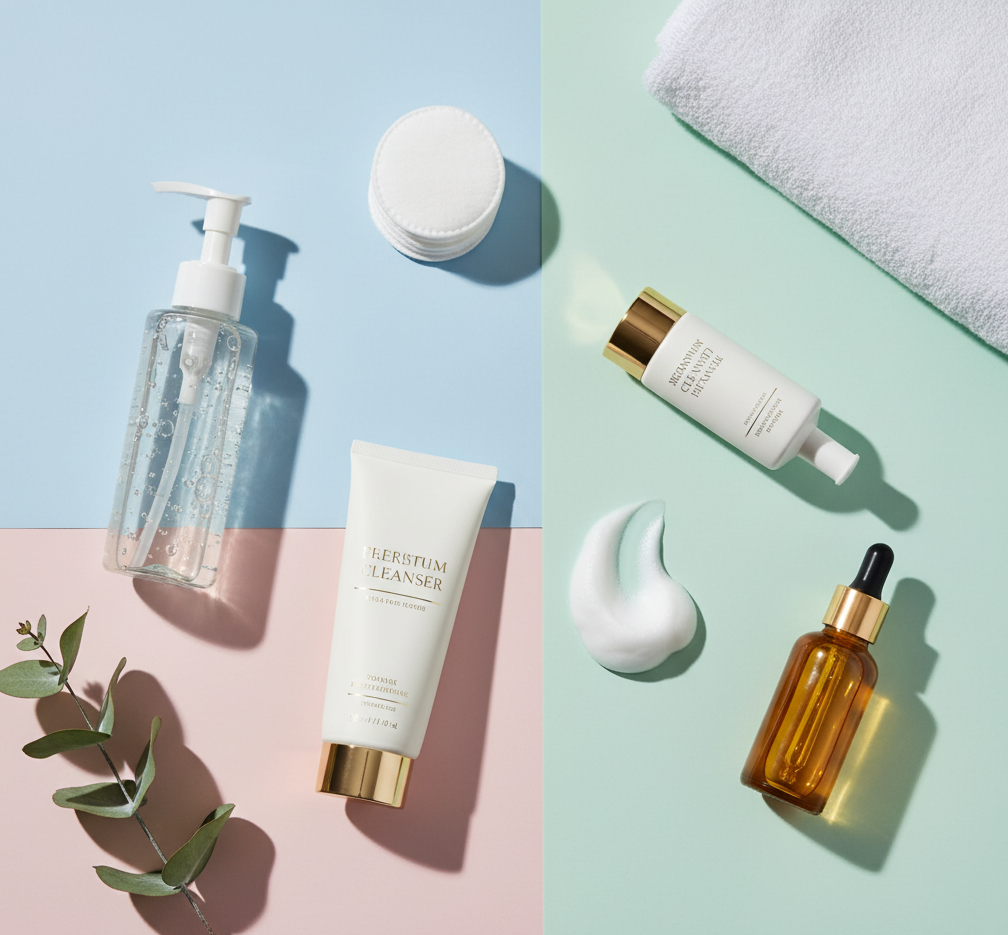
Finding the right product to wash my face once felt like trying to decode a skincare riddle. Every cleanser promised something—deep cleaning, glow, hydration, or balance—but few actually delivered. Some left my skin tight and dry, others turned me into a midday oil slick. Over time, I learned that skincare isn’t just about trendy ingredients or sleek packaging—it’s about understanding what your skin really needs. The same logic applies when comparing lotion vs moisturizer: both play vital roles, but the right choice depends on your skin type and how your routine fits together. For me, cleansing is where it all begins and ends—a small ritual that sets the tone for everything else. A good wash preps my face for hydration, keeps oil at bay, and helps my skin feel balanced and calm.

What You’ll Learn
- How I identified my skin type (and how you can do the same)
- The types of face washes that actually work
- Ingredients I look for—and a few I avoid like bad advice
- My personal routine for balancing cleansing with hydration
- Common mistakes I used to make and how I fixed them
- How to adjust your routine for different seasons
- A few answers to the questions I get asked most often
By the end, you’ll know exactly how to choose a product that fits your face and your life—no guesswork required.
Understanding My Skin Type how to choose the right facial cleanser

Before choosing any product, I had to learn what kind of skin I was dealing with. Mine tends to change with weather and stress. In summer, it gets oily around my forehead and nose. In winter, it feels dry and tight. Some days it’s both.
That’s when I realized how to choose the right facial cleanser: there isn’t one permanent skin type—it shifts with lifestyle, age, hormones, and even what I eat. Still, knowing my general category helps me choose wisely.
Here’s how I break it down:
Normal skin: Lucky you if this is you. It’s balanced—not too oily or too dry. I’d still pick a gentle, non-stripping product that preserves your natural oils.
Dry skin: Feels tight, looks dull, and sometimes flakes. I’ve been there in cold months. What helped was using creamy, hydrating formulas with ingredients like glycerin or hyaluronic acid.
Oily skin: Shiny and prone to clogged pores. When I get into this zone, I use lightweight gels that remove grease without that squeaky feeling.
Combination skin: My personal category most of the year—dry cheeks, oily T-zone. I use a gentle foaming cleanser in the morning and something creamier at night.
Sensitive skin: If your face reacts easily, choose fragrance-free, simple formulas. Less is more here.
If you’re unsure how to choose the right facial cleanser fits you, press a tissue against your face an hour after washing (no moisturizer). Oily spots on the tissue? You lean oily. None? You’re probably dry. Both? Combination.
Why the Right Cleanser Matters
Choosing the right product isn’t just about clean pores. It’s about keeping the skin barrier intact. That barrier is your body’s first defense—it keeps moisture in and bad stuff out. When a cleanser is too harsh, it strips natural oils and weakens that barrier. The result? Dryness, irritation, breakouts, and even premature aging.
I learned this the hard way. I once thought a squeaky-clean face meant a good cleanse. Turns out, that “squeak” is actually my barrier crying for help.
Now, I focus on balance: clean enough to remove impurities, gentle enough to keep my skin calm.
The Main Types of Cleansers (and How I Use Them)
Over the years, I’ve tested everything from gels to bars to oils. Here’s what I’ve found works—and for whom.
- Gel Cleansers
These are my go-to when I feel greasy or after workouts. They’re light, lather well, and leave my face refreshed. Look for formulas with niacinamide or gentle acids like salicylic acid if you’re prone to clogged pores.
- Cream or Lotion Cleansers
Perfect for dry or sensitive skin. They’re rich and comforting. I like them in winter when my face feels tight. Ingredients like ceramides or hyaluronic acid help retain hydration.
- Foaming Face Washes
These sit somewhere in the middle—great for normal to oily types. The foam gives that deep clean feeling without being overly harsh.
- Oil-Based Cleansers
The first time I used an oil cleanser, I was skeptical. Why would I put oil on my oily face? But it works. These dissolve makeup and sunscreen effortlessly. I often use them as the first step in double cleansing at night.
- Micellar Water
When I travel or come home too tired to deal with a full wash, micellar water saves me. It removes dirt without rinsing and doesn’t leave a sticky feel.
- Cleansing Bars
I used to avoid bars, assuming they were drying. But newer soap-free versions are surprisingly gentle. I keep one in my gym bag for convenience.
Ingredients I Look For (and Avoid)
My rule: the simpler, the better.
Here’s what I look for:
- Ceramides: They strengthen the skin barrier.
- Hyaluronic acid: Helps retain moisture.
- Niacinamide: Calms redness and supports a balanced tone.
- Glycerin: Attracts and locks in hydration.
What I avoid:
- Alcohol-heavy formulas: They dry my skin quickly.
- Strong fragrance: Smells nice, but often irritates.
- Harsh sulfates: They over-cleanse and strip away oils.
If you’re unsure, patch-test any new product first. A small spot behind the ear or on your neck can tell you how your skin will react.
how to choose the right facial cleanser Based on My Skin’s Mood
Yes, my skin has moods. Some days it wants minimal effort; others, it demands a little extra.
Here’s how I handle it:
For Oily Days: I pick a gel cleanser in the morning and skip heavy creams afterward.
For Dry Days: I switch to a hydrating lotion cleanser and follow with a moisturizer rich in ceramides.
For Breakouts: I go for a mild foaming wash with salicylic acid, but never more than once a day.
For Sensitive Days: I strip things back to fragrance-free, non-lathering formulas and avoid exfoliating altogether.
I also pay attention to seasons. In summer, sweat and humidity make me lean toward lightweight formulas. In winter, I prefer creamy textures that protect from dryness.
My Daily Cleansing Routine
Over time, I’ve settled into a rhythm:
Morning:
- Rinse with lukewarm water.
- Use a gentle gel cleanser.
- Pat dry with a soft towel (not rub—my skin hates that).
- Follow with moisturizer and sunscreen.
Evening:
- If I’ve worn sunscreen or makeup, I start with an oil cleanser or micellar water.
- Then I use a cream or foaming cleanser, depending on how my skin feels.
- I finish with moisturizer, and sometimes a lightweight serum.
Consistency matters more than fancy tools or expensive products. Washing twice daily keeps buildup under control without overdoing it.
Common Mistakes I’ve Made (and Learned From)
I used to think scrubbing harder meant cleaning better. Wrong. All it did was make my face red and irritated.
Here are a few lessons I’ve learned the slow way:
- Over-cleansing hurts. Twice a day is enough for most people.
- Hot water feels good but dehydrates the skin. Lukewarm wins.
- Skipping moisturizer afterward is a bad idea. Cleansing removes oils, so replenish them.
- Changing products too often confuses your skin. Give any new one at least two weeks before judging results.
- Using body soap on your face is a crime. Your face deserves better.
Adjusting for Seasons and Lifestyle
My routine isn’t fixed year-round. Weather, travel, diet, and even stress can change how my face behaves.
In summer, I use lightweight gels and avoid layering too many products. I also keep blotting papers handy.
In winter, I reach for creamy or lotion-based cleansers and use a humidifier indoors to help retain moisture.
During travel, micellar water and cleansing wipes are my best friends. I once wrote about my go-to body lotions for men, and many of those principles—hydration, consistency, and simplicity—apply here too.
How I Read a Label Without Losing My Mind
At first, skincare labels felt like reading a chemistry exam. But I’ve learned to focus on a few key things:
- The first five ingredients tell most of the story.
- If “fragrance” or “alcohol denat.” appears high on the list, I skip it.
- “Non-comedogenic” means less chance of clogged pores.
- A “pH-balanced” label is a good sign—it’s less likely to disrupt your barrier.
And no, you don’t need every new ingredient trend that shows up on social media. Stick with what’s proven how to choose the right facial cleanser.
When I Know It’s Time to Switch Products
If my face starts to feel unusually dry, tight, or bumpy, it’s usually a sign that my current cleanser is too harsh—or not doing enough.
I give it about a week. If the issue doesn’t settle, I swap to something milder. Sometimes, even a small change like weather or diet can shift how a product performs.
The key is observation. My skin talks—I just have to listen.
Do Men and Women Need Different Cleansers?
Honestly, not really. Most differences are marketing. What matters is skin type, not gender. Men’s skin tends to be thicker and oilier, so lighter gels often work better. Women may prefer hydrating or creamy options. But formulas that are gentle, balanced, and non-irritating? They work for everyone.
FAQs I Get About Cleansing
- Should I double cleanse?
Yes—if you wear sunscreen or makeup. Start with an oil cleanser or micellar water, then follow with a gentle wash. - Can I skip washing in the morning?
If your face feels clean and balanced, you can rinse with water only. But I prefer a light cleanse to remove overnight oils. - What about exfoliating cleansers?
Use sparingly—once or twice a week. Overdoing it leads to irritation. - How long should I massage my face while cleansing?
Around 20–30 seconds is plenty. Gentle circular motions work best. - Can a cleanser make acne worse?
Yes, if it’s too harsh or pore-clogging. Look for gentle, oil-free, non-comedogenic options.