Lotion vs Moisturizer: What’s the Real Difference?
Ever caught yourself wondering if that lightweight lotion sitting on your bathroom shelf could replace your go-to face cream? I’ve asked myself the same thing. It seems harmless—both hydrate, both lotion-vs-moisturizer smooth things out—but if you’ve ever ended up with a greasy T-zone or flaky elbows after swapping one for the other, you know it’s not that simple.I’ve been in the skincare space for years, and this confusion pops up more often than I can count. So, let’s get to the bottom of it—without any overcomplicated science talk or generic beauty clichés.
Here’s exactly what you’ll learn from this guide:
- What these products actually do and how they differ
- The science behind their ingredients and textures
- When to use one over the other
- How I personally choose and layer them for better results
- Common myths I’ve seen (and sometimes believed myself)
- My tested method for keeping skin hydrated and balanced year-round
Ready? Let’s get practical—and maybe smile once or twice while we’re at it.
What I Really Mean by “Moisturizer”
When I talk about a moisturizer, I’m referring to anything that helps your face or body stay hydrated, soft, and healthy. It’s like giving your skin a glass of water—it’s basic, but essential.
The goal of any hydrating product is simple: retain water and prevent it from escaping. To make that happen, most formulas include a trio of building blocks:
- Humectants – These draw water into the upper layers of your skin. You’ll often see names like glycerin or hyaluronic acid on the label.
- Emollients – They smooth out the surface, making it feel soft and supple. Natural oils and fatty acids usually do this job.
- Occlusives – These act as a shield, locking moisture in. Think shea butter or petrolatum.
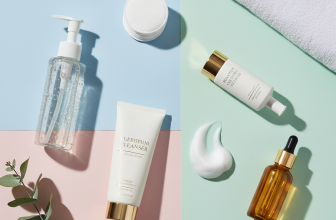
Depending on how these are mixed, you get different consistencies. A gel absorbs quickly, a cream feels thicker, and a balm can almost survive a storm.
When I choose a formula, I don’t look just at texture—I look at balance. A good moisturizer doesn’t sit on top of your skin like a wax coat. It feels like it belongs there.
So, What About a Lotion?
A lotion is the easygoing cousin in the hydration family. It’s light, quick to spread, and usually contains more water than oil. That’s why it feels cool and airy when you apply it.
I reach for lotions on warm days or when I’m heading out quickly after a shower. They absorb fast, leave no sticky layer, and keep the body feeling fresh. You’ll often find ingredients like aloe vera, vitamin B3, and light oils in these formulas.
But here’s the key difference—most lotions are meant for the body, not the face. Facial skin (yes, I’m counting that area between your brows that wrinkles every time you check your email) is thinner, more sensitive, and exposed to more damage. It needs slightly richer care.
That’s why I usually keep my face cream separate and use a lotion everywhere else. It’s not about brand loyalty; it’s about giving each part of your body what it actually needs.
If you’re curious, I’ve shared more about my approach to everyday body hydration in this post.
The Main Difference Between lotion-vs-moisturizer
Let’s keep this direct—because skincare terms can get unnecessarily fuzzy. A lotion is technically a type of moisturizer, just lighter and more diluted. The main difference lies in texture and purpose.
Here’s a quick breakdown:
| Feature | Lotion | Moisturizer |
| Consistency | Light, fluid | Thicker, denser |
| Water vs. Oil | More water, less oil | More oil, less water |
| Absorption | Fast | Slower, longer-lasting |
| Ideal Use | Daily body care | Targeted or intensive hydration |
| Skin Type Fit | Normal to slightly oily | Dry, mature, or sensitive |
So, if your skin (oops, I promised fewer repeats—let’s call it your surface hydration zone) feels tight or flaky, a creamier option works better. If it’s summer or humid outside, go with something that sinks in easily.
Both serve their purpose; it’s just about timing and balance.
How I Decide lotion-vs-moisturizer Which One to Use
Choosing between these two depends on a few personal factors. I don’t overthink it—I just pay attention to how my body feels.
Here’s my usual checklist:
- Type of Hydration Needed
For dry or mature areas, I use thicker creams. They create a comforting film that prevents evaporation. Ingredients like ceramides and shea butter are excellent for this.
When my face feels greasy by mid-day, I prefer a lightweight, gel-style formula that controls shine while keeping hydration intact. Green tea or niacinamide formulas work well here.
- Body Area
Different zones need different care. My elbows and knees crave richer textures, while my arms and chest are fine with a quick-absorbing lotion. For my face, I stick with something balanced—hydrating but non-sticky.
If I used body lotion on my cheeks, I’d probably end up with clogged pores or irritation. I’ve tried it before, and let’s just say—never again.
- Weather and Season
This one’s simple: lighter in summer, thicker in winter.
In warm months, I prefer airy, fast-absorbing formulas that don’t feel like an extra layer. When the air gets drier, I move toward buttery textures and oils that protect against moisture loss.
Think of it like swapping flip-flops for boots—same principle, different comfort level.
- Specific Concerns
If my skin acts up—redness, flaking, sudden dullness—I tweak my routine. Sometimes, I’ll layer a thin lotion first and then seal it with a cream. This combination keeps hydration steady without suffocating the skin barrier.
For acne-prone days, I keep things light and fragrance-free. Lotion vs Moisturizer Fewer additives mean fewer surprises later.
And yes, I do patch tests. Every. Single. Time. It’s not paranoia—it’s experience.
How I Apply Them (and Why It Matters)
Application can make or break your results. I’ve learned that how you apply matters almost as much as what you apply.
Apply Right After Cleansing
The moment after washing or showering is when your skin is still slightly damp—and that’s when it’s most receptive. I lightly pat dry and apply product within 60 seconds. That quick timing helps seal in hydration.
Use Moderate Amounts
More product doesn’t equal better results. I use small, consistent amounts. For the face, a pea-sized amount. For the body, about the size of a coin per section.
Weekly Exfoliation
Dead cells act like a wall. Removing them once a week ensures better absorption. I prefer gentle scrubs or chemical exfoliants instead of harsh scrubbing.
Never Skip SPF
Even the best cream can’t protect you from UV damage. Morning hydration should always be followed by sunscreen—no exceptions.
The Little Details That Make a Big Difference
Over time, I’ve picked up a few habits that make hydration more effective. These are small tweaks, but they change everything:
- I store my lighter products in the fridge during summer. That cooling effect feels amazing post-shower.
- I warm thicker creams between my palms before applying—helps spread evenly.
- I switch products gradually rather than all at once. Skin appreciates consistency.
- I avoid fragrance-heavy products for my face, even if they smell like heaven.
Common Misconceptions I’ve Come Across
Let’s clear up some myths I still hear all the time.
Myth 1: Lotion and moisturizer are identical.
Not quite. One’s a lighter version of the other, and your skin’s needs decide which fits better.
Myth 2: Oily skin doesn’t need hydration.
That’s like saying thirsty people shouldn’t drink water because they sweat. Hydration balance keeps oil production in check.
Myth 3: Thicker means better.
Texture alone doesn’t define effectiveness. Some lightweight gels outperform heavy creams, depending on ingredients.
Myth 4: One product can do it all.
I wish! But the formula that makes your hands silky might clog pores on your face. Specialization exists for a reason.
My Hydration Routine (and Why It Works)
To keep things straightforward, here’s how I use these products day to day:
- Morning: After cleansing, I use a light gel on my face and a quick-absorbing lotion on my body.
- Evening: I apply a thicker cream on my face to support overnight repair, and sometimes a rich body cream if the weather’s dry.
- Weekly: Gentle exfoliation and hydration focus—especially after long days outdoors or travel.
Consistency does more for your skin than switching products every week. I’ve tested countless routines, and simplicity always wins.
Extra Thoughts: Lotion vs Moisturizer That Truly Matter
Let’s talk ingredients, because marketing terms can get noisy. A few always stand out for me:
- Hyaluronic Acid: Holds water like a sponge. Great in almost any product.
- Ceramides: Support the natural barrier, preventing water loss.
- Niacinamide: Reduces oiliness, calms redness.
- Shea Butter: Deep nourishment for rough areas.
- Aloe Vera: Soothes and hydrates without heaviness.
When I scan a product label, I look for at least one of these names. Everything else is usually decorative.
Seasonal Tweaks That Work
Seasons change, and so should your care routine.
- Summer: Go lighter. Hydrating gels, refreshing mists, and water-based body formulas work well.
- Monsoon: Stick to quick-absorbing lotions to avoid that sticky feeling.
- Winter: Time for richer formulas—oil-in-cream types that keep dryness away.
One tip: apply product right after a warm shower in colder months. The warmth helps with better absorption, and your skin holds moisture longer.
What Happens If You Skip Hydration Entirely
If you’ve ever “gone product-free” for a week thinking your skin will reset, you’ve probably noticed dullness creeping in. Without external moisture support, the barrier weakens. You’ll feel tighter patches, uneven tone, or rough texture.
It’s like skipping conditioner for your hair—you can survive, but it’s not pleasant. Consistency is what keeps your surface healthy.
Choosing the Right Formula for You
Instead of fixating on labels, focus on feel. Does the product make your skin comfortable, calm, and balanced for hours? That’s your match.
If it tingles, burns, or leaves you greasy, it’s not right—no matter how “advanced” the ingredients sound. Everyone’s hydration needs are personal, and there’s no single miracle product that works for all.
I test new items slowly—one at a time—and give each two weeks before deciding. Patience pays off.
Final Takeaway
After years of experimenting, consulting experts, and honestly, making a few mistakes, I’ve realized something simple: the best routine is one that’s realistic and consistent.
A lotion is perfect for daily, lightweight hydration—especially for the body. A richer cream or gel formula suits more specific or intensive care, like facial hydration or seasonal dryness.
Your goal isn’t to collect products; it’s to build a relationship with your skin—one that listens, adapts, and cares.
So, next time you’re debating between Lotion vs Moisturizer, remember this: they’re not enemies. They’re teammates—each with its own role in keeping your skin healthy and happy.
And if your body ever feels like it’s begging for a little extra attention, maybe start with something simple and effective, like the one I’ve talked about in my body care post.