What Is Toner? Everything I’ve Learned Skincare
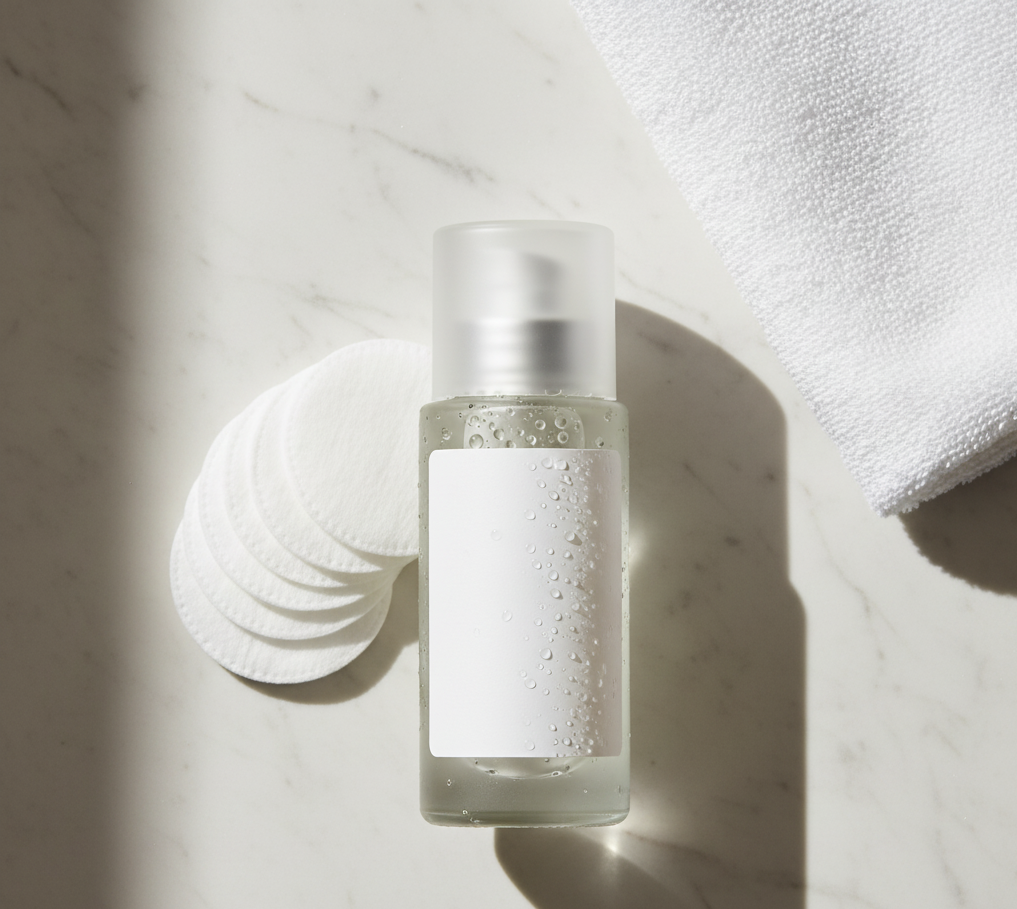
I’ll admit it — toner used to intimidate me. When I first heard the word, I imagined fancy, scented water in a sleek bottle, something people dabbed on to feel like they had their skincare routine together. My early experiences didn’t help: the alcohol-heavy formulas left my face tight, squeaky, and frankly, a little confused. Over time, I learned that toner isn’t just an optional step or a relic of outdated skincare—it’s a quiet powerhouse that bridges cleansing and treatment, helping every other product in your routine perform better.In this guide, I’ll break down everything I’ve learned about toners: what they really do, how to choose the right one for your skin type, and how to use them effectively in your morning and night routines. Whether you’re trying to hydrate, exfoliate gently, or calm irritation, understanding toner can transform your skin from just “clean” to truly balanced and radiant.
What You’ll Learn
- What toner actually is (and why it’s often misunderstood).
- The different types and how each supports your complexion.
- How I use this step in my daily routine — without overdoing it.
- Common myths I once believed (and the truth behind them).
- How to choose the right one for your skin type.
- My simple morning and night application guide.
My First Impression of Toner
When I first heard the word toner, I pictured fancy scented water in a glass bottle — something people dabbed on just to feel like they had their skincare life together. My early experiences didn’t do much to change that image. I remember that tight, squeaky sensation that came after applying it — as if my face had been polished like a mirror.
Back then, these solutions were heavy on alcohol and astringents. They claimed to shrink pores and control oil, but most of them simply left my face feeling stripped. I’d pat my cheeks and think, “Is this supposed to feel good?”
Fast forward a few years, and I’ve changed my tune entirely. Toners have evolved from being harsh and misunderstood to becoming one of the most versatile, skin-supporting steps in modern skincare. When used properly, this step bridges cleansing and treatment — a quiet powerhouse that makes the rest of my products perform better.
What Is a Toner, Really?
Here’s the short version: it’s a lightweight liquid treatment applied right after cleansing and before serums or creams. Its job is simple — help the complexion feel balanced, refreshed, and ready for the next step.
The long version? Toners used to be purely functional — basically, the clean-up crew after your cleanser missed a spot. But today, they’re designed to do something. They might gently exfoliate, add hydration, soothe irritation, or even enhance radiance.
I like to think of it as that friend who doesn’t talk much but somehow makes every situation better. It doesn’t steal the show, but when you skip it, you notice something’s missing.
Many modern toners look like water, but don’t be fooled. Inside that bottle are humectants, mild acids, plant extracts, and sometimes even prebiotics — ingredients that target specific needs and help maintain a smoother, clearer surface.
What Does Toner Actually Do?
If I had to summarize it, I’d say: toner finishes what your cleanser started and sets the stage for what’s next.
Here’s what it really does:
- Removes lingering residue: Even the most diligent cleanse can leave traces behind. This step ensures nothing unwanted sticks around.
- Balances your complexion’s comfort level: If your face feels dry, irritated, or “off” after washing, a well-formulated liquid can help bring things back to neutral.
- Hydrates and refreshes: Many new formulas include hydrating agents that draw moisture in and leave your skin plump and calm.
- Prepares for treatment: Applying this step before serums and creams helps those richer products absorb more efficiently.
- Addresses specific concerns: Whether it’s uneven texture, dullness, or sensitivity, there’s a formula for nearly every need.
What I’ve noticed personally is that when I use a good toner consistently, my skin behaves better overall. It’s smoother, my serums absorb quickly, and I use less product. It’s not magic — it’s just smart layering.
Why Toners Are Still Misunderstood
Let’s be honest — the name “toner” doesn’t exactly scream excitement. For years, people treated it like an optional step. I was guilty of the same thing. I’d think, “It’s just water — why am I paying for this?”
The truth is that older formulations gave this step a bad reputation. Those alcohol-heavy solutions were designed to strip away oil and dirt, which sounded good in theory but ended up disrupting your skin’s natural balance.
Now, formulas are gentler and smarter. They hydrate, exfoliate, or calm the complexion without leaving that tight, squeaky feeling. Yet the old myths stick around — and that’s why many people still think toner is unnecessary.
Toner Myths I’ve Heard (and Tested)
Myth 1: “Toner Dries the Skin.”
That was true once — not anymore. Modern versions are often packed with hydrating ingredients and even creamy, milky textures. I’ve used some that feel more like a soft treatment lotion than a watery rinse.
Myth 2: “Toner Replaces Cleansing.”
I wish! But no. While it can catch leftover grime or makeup residue, it’s not a substitute for washing. Think of it as the editor, not the author — it polishes what’s already there.
Myth 3: “Toner Shrinks Pores.”
Here’s the science: pores don’t have muscles, so they can’t “open” or “close.” However, by keeping the surface clean and minimizing buildup, toner can make them look smaller over time.
When I switched from a harsh formula to a hydrating one, the change was noticeable. My complexion looked smoother and calmer — no more dry patches or tightness.
The Evolution of Toners: From Harsh to Healing
One of the most interesting things I’ve learned is how much this product category has evolved. Decades ago, toners were like skincare’s strict headmistress — all discipline, no comfort. Most were designed to combat oil and acne, using strong alcohols and astringents that made skin feel “clean” but actually disrupted its barrier.
Today, the approach is much more balanced. Brands have reformulated these liquids with soothing botanicals, humectants, and mild exfoliants. The goal isn’t to punish the skin — it’s to support it.
Now, they’re often grouped into categories based on their main purpose: exfoliating, hydrating, or soothing. And unlike the past, these formulas work for a range of skin types — not just oily ones.
Types of Toners (and How I Choose Mine)
There’s no universal best option; it depends on what your complexion needs. Here’s how I categorize them:
Exfoliating Formulas
These use mild acids like glycolic, lactic, or mandelic to lift away dead cells and smooth texture. I use them a few evenings a week — not daily. When I do, I wake up with that fresh, polished look that usually takes effort to fake.
Hydrating Formulas
Perfect for when your skin feels dry, flaky, or just cranky. These are packed with moisture magnets like glycerin or hyaluronic acid. I reach for these in the mornings or after long flights when my face feels parched.
Soothing Formulas
These are my go-to after a retinol night or during cold weather. Ingredients like green tea, chamomile, or aloe help calm irritation and bring balance back.
If you’ve ever wondered how colour toners differ from facial ones, I actually wrote about that in this post on colour-toners. They both correct tone, but one deals with blonde hair and the other with complexion — completely different chemistry, same goal: balance.
How I Use Toner in My Skincare Routine
I keep my regimen simple: Prep, Treat, Seal.
Step 1: Prep
After cleansing, I apply my liquid treatment with either a cotton pad or just my hands. It removes any leftover residue and primes the surface for what’s next.
Step 2: Treat
This is where I add my serum or oil — the targeted step. The toner helps these products sink in more effectively.
Step 3: Seal
Finally, I apply a moisturizer to lock everything in. If it’s morning, sunscreen joins the team.
When I skip this middle step, my skin immediately tells me. My serums feel like they’re sitting on my face instead of working with it.
How Often I Use Toner
For most people, once or twice a day is enough. Hydrating versions can safely be used morning and night, but exfoliating types? Stick to evenings only.
I learned this lesson the hard way — I once used a glycolic formula twice daily and ended up looking like a tomato. Now, I’ve found a rhythm that works: gentle consistency beats overzealous enthusiasm every time.
And if your formula contains exfoliating acids, always use sunscreen during the day. That’s a non-negotiable part of the deal.
Choosing the Right Toner for My Skin Type
- Dry or Sensitive: Look for soothing and moisturizing ingredients like aloe, panthenol, or glycerin. Avoid high acid content or alcohol.
- Oily or Congested: I lean toward mild exfoliating options with salicylic acid. They help keep pores clear and shine under control.
- Combination: A balancing formula — hydrating in some areas and mildly exfoliating in others — works best.
- Normal: You have options! Just pick one that maintains comfort and keeps the barrier intact.
Finding “the one” may take a few tries, but once you do, it becomes a staple you won’t want to skip.
Toner and Climate: Why Weather Matters
Something I didn’t realize early on: climate affects how toner behaves. In humid weather, a lightweight exfoliating formula keeps buildup in check. But in dry or cold months, hydrating or creamy options are better.
When I travel, I always adjust my skincare bag. A mist-style formula for hot climates and a thicker, milky option for winter works like a charm. The goal is always balance — giving your face what it needs today, not what worked last season.
Do Men Need Toner Too?
Short answer: yes. Long answer: definitely yes.
Men’s skin tends to produce more oil, which means buildup happens faster. A gentle toner can keep pores clear without stripping moisture. I’ve convinced a few male friends to add it to their routines, and once they see the difference — smoother texture, less shine — they never go back.
If anyone reading this still thinks skincare is “extra,” just remind them that clean, balanced skin looks professional and feels good.
When I Skip Toner (and Why That’s Okay)
I’m a firm believer in consistency, but sometimes skipping a step is fine. If I’m using strong actives like retinoids or acids, I might take a break from exfoliating toners to avoid irritation.
Other times, if my skin feels perfectly balanced, I’ll just splash with water and jump straight to moisturizer. Skincare isn’t about perfection — it’s about paying attention.
Common Questions I Get About Toners
Q: Can I layer multiple types?
A: Yes, but space them out — use a hydrating formula in the morning and an exfoliating one at night.
Q: Should toner sting?
A: Not at all. If it burns, it’s too harsh. A mild tingle from an exfoliating acid is normal, but lasting discomfort isn’t.
Q: Can I make my own toner?
A: I’d skip the DIY route. Formulations rely on precise pH and stabilizers. It’s better to trust a professionally tested product.
My Step-by-Step Toner Routine
- Wash your face with a gentle cleanser.
- Pat dry — don’t rub.
- Apply toner using a cotton pad or palms.
- Let it absorb (15–30 seconds).
- Apply serum or oil.
- Finish with moisturizer or SPF.
- Smile — because your skin’s about to behave.
If I’m alternating types, I use an exfoliating version at night and a hydrating one the next morning.
Mistakes I’ve Made (So You Don’t Have To)
- Mixing too many strong ingredients at once.
- Thinking “more often” equals “better results.”
- Ignoring my skin’s feedback.
Your face shouldn’t feel tight, flaky, or inflamed after using a toner. If it does, simplify your routine and give your skin a break.
The Real Benefits I’ve Noticed Over Time
Since learning how to use this step properly, I’ve noticed smoother texture, less congestion, and better absorption of my other products. My foundation sits better, and my skin looks more even without makeup.
But beyond the surface changes, there’s something calming about the ritual. That quick moment between cleansing and moisturizing feels grounding — a pause in the day that’s entirely for me.
It’s easy to overlook small habits, but sometimes it’s those quiet, consistent steps that make the biggest difference.